Genoa
SEA ECOSYSTEM – LIGURIAN COAST
Genoa is a city that has always faced the sea – but in recent decades, that relationship has become complicated. The historic port that made Genoa one of the great maritime powers of medieval Europe is now largely inaccessible to its citizens, cut off by infrastructure and industrial use.
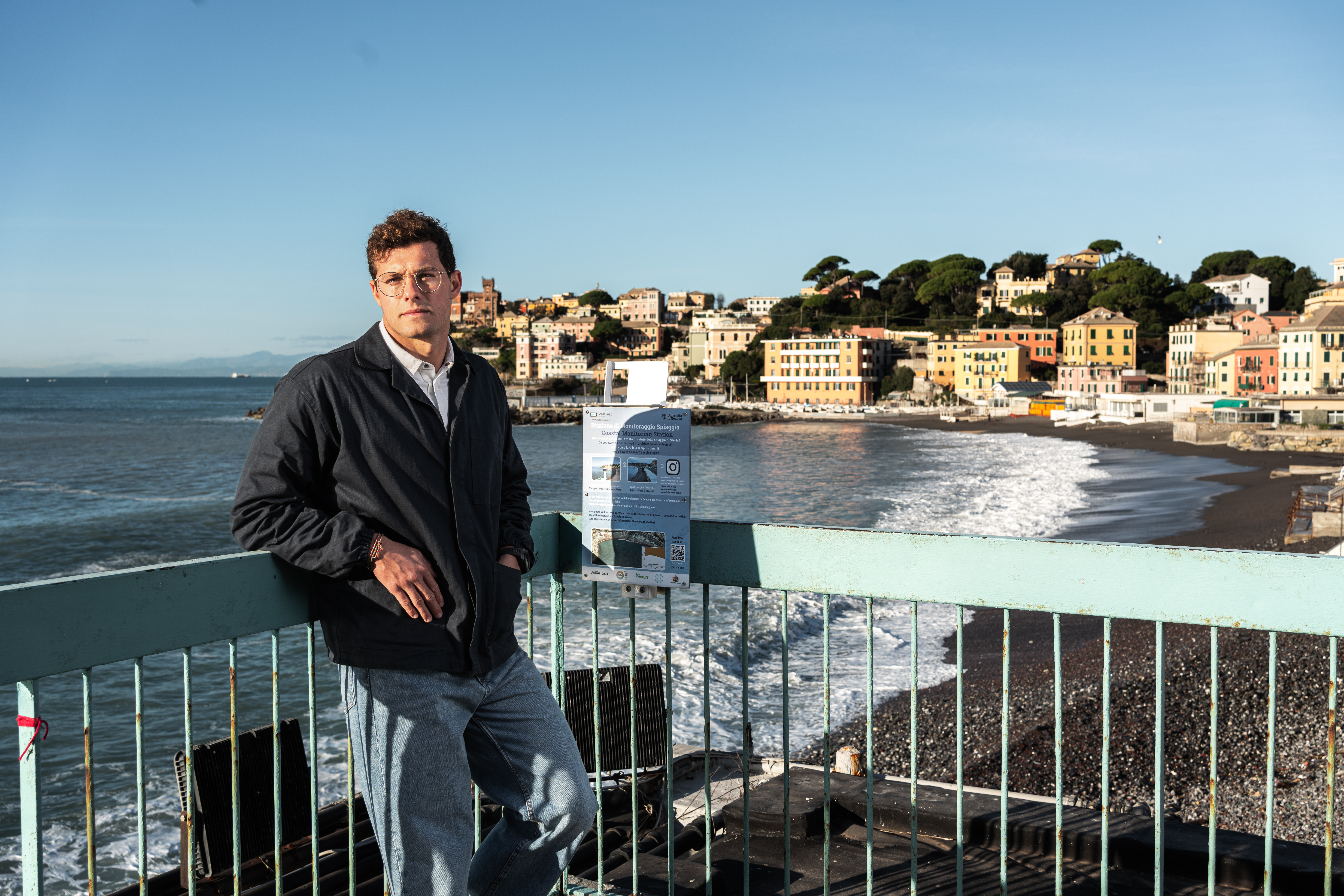
Genoa's coastline is among the most urbanised in Europe, with 93% of its total area built up across 65 river basins and a dense fabric of cultural heritage at constant risk from extreme climate events. The Vernazzola area, within the Sturla district, is a typical sea-facing neighbourhood that developed around the mouth of the Vernazza river — a place where sports and fishing clubs, a beloved public beach and the Sturla wastewater treatment plant all co-exist in close, sometimes uncomfortable proximity.
The Genoa demonstrator pilot was coordinated by the City of Genoa in partnership with the Italian Institute of Technology and focused on recovering and sharing the stories embedded in this coastal community. Under the drop Inclusive Digital Storytelling, it seeked to use narrative, community participation and emerging technology to reconnect citizens with their coastal heritage and the sea that lies at the end of every street.
Participatory Storytelling — Voices of the Vernazzola
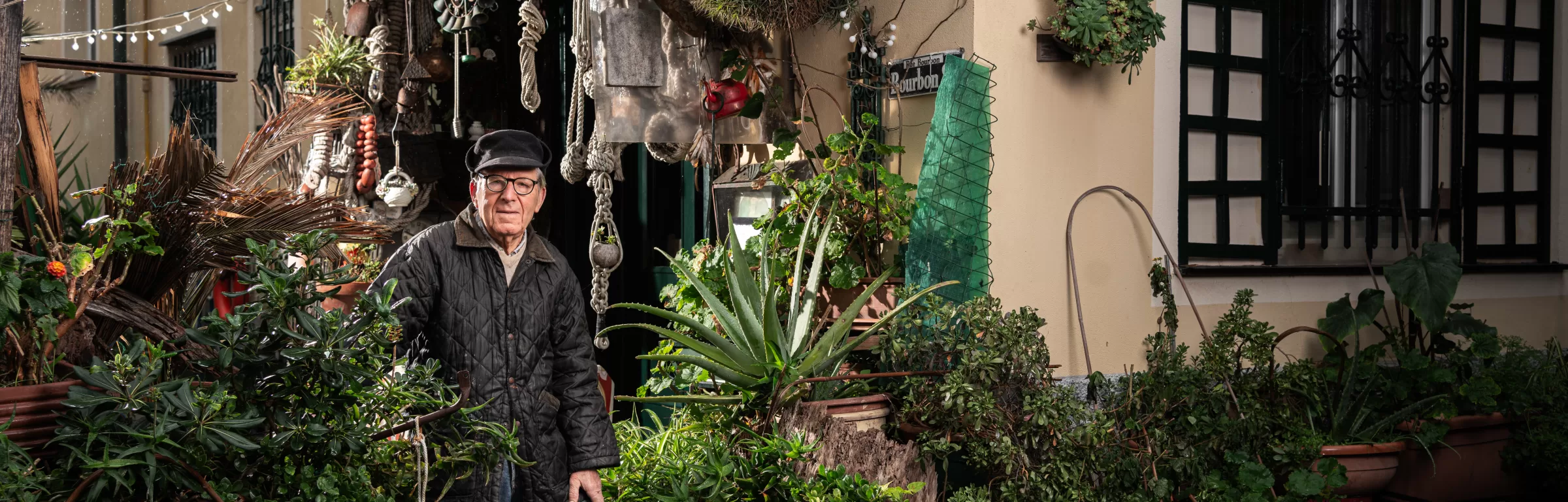
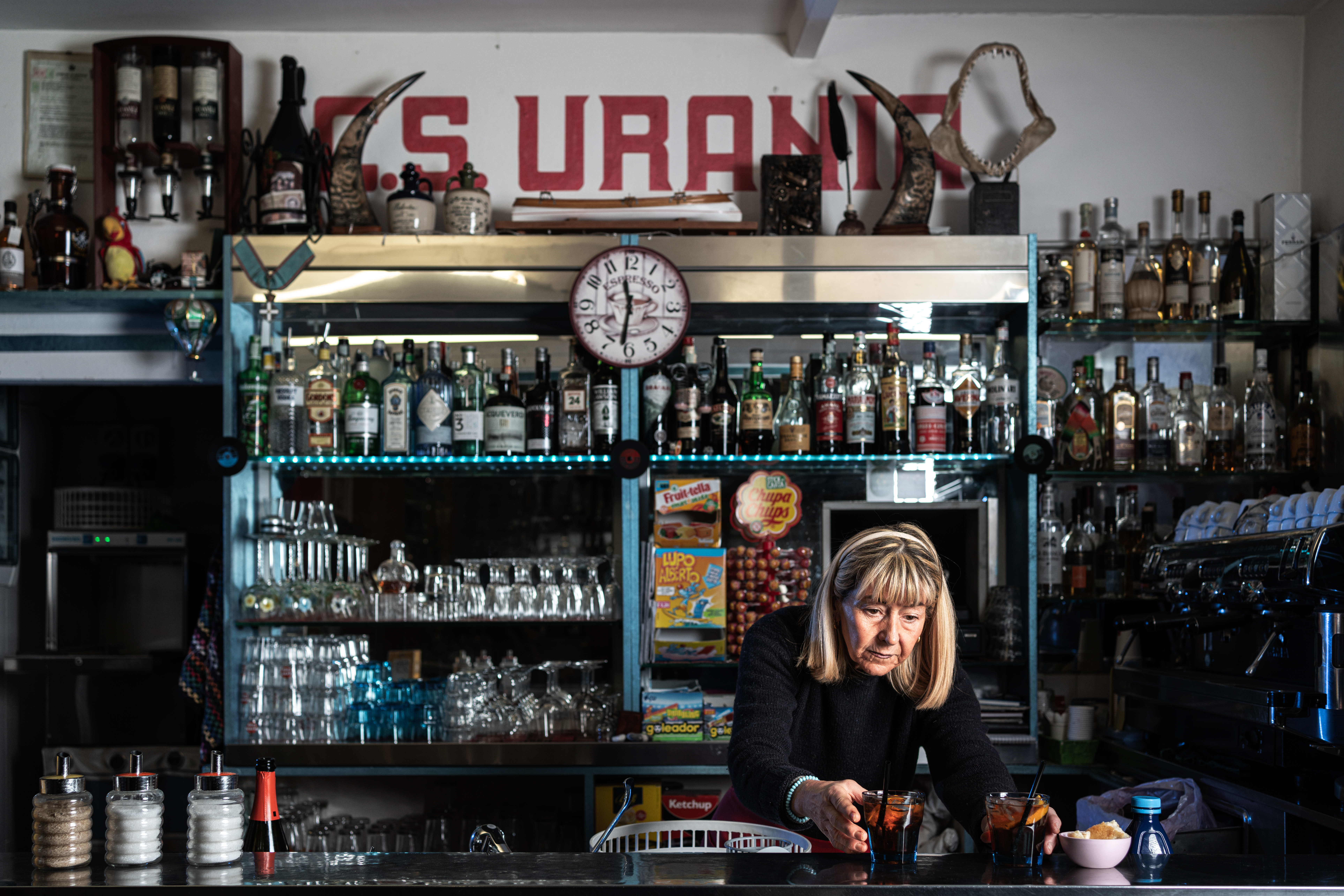
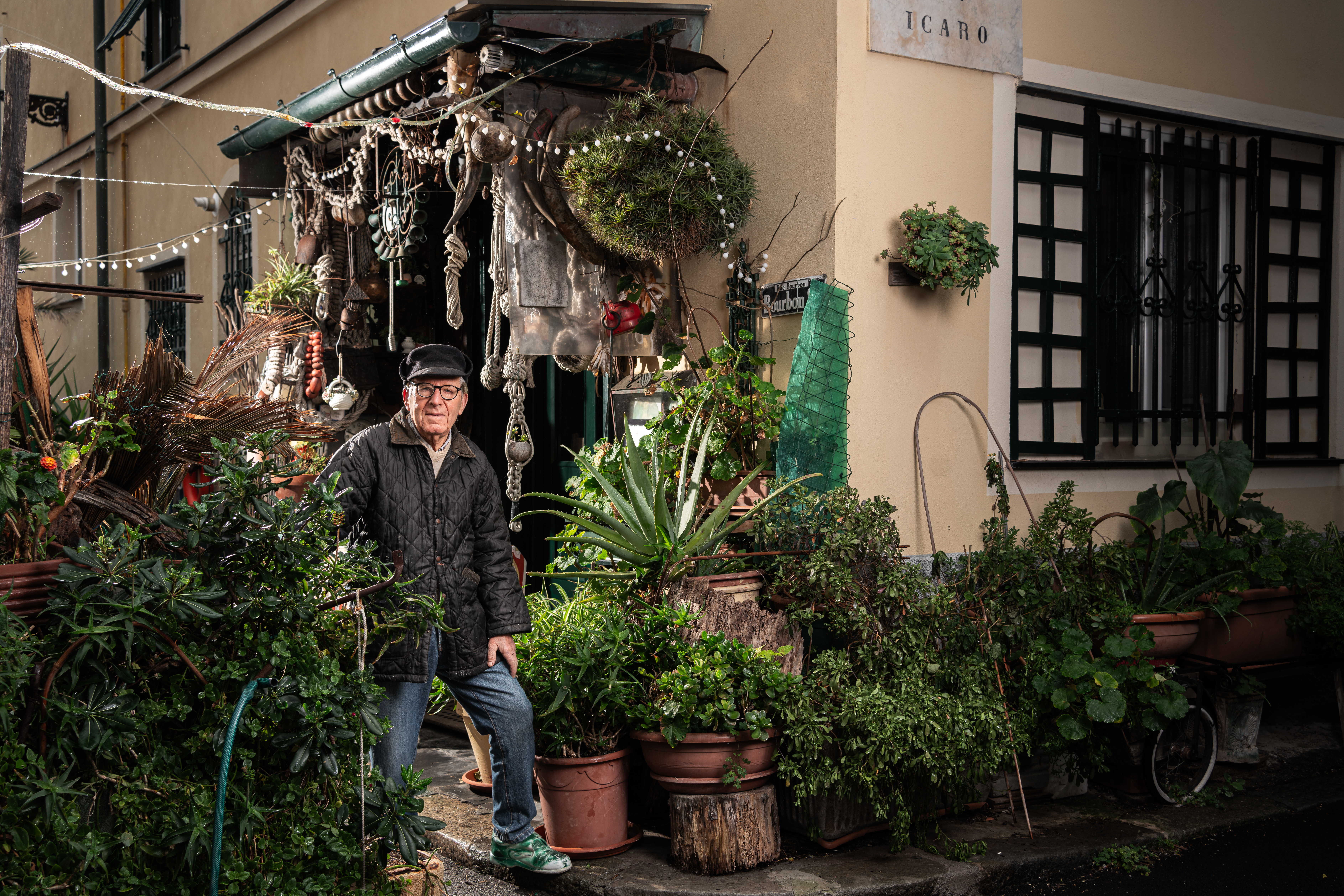
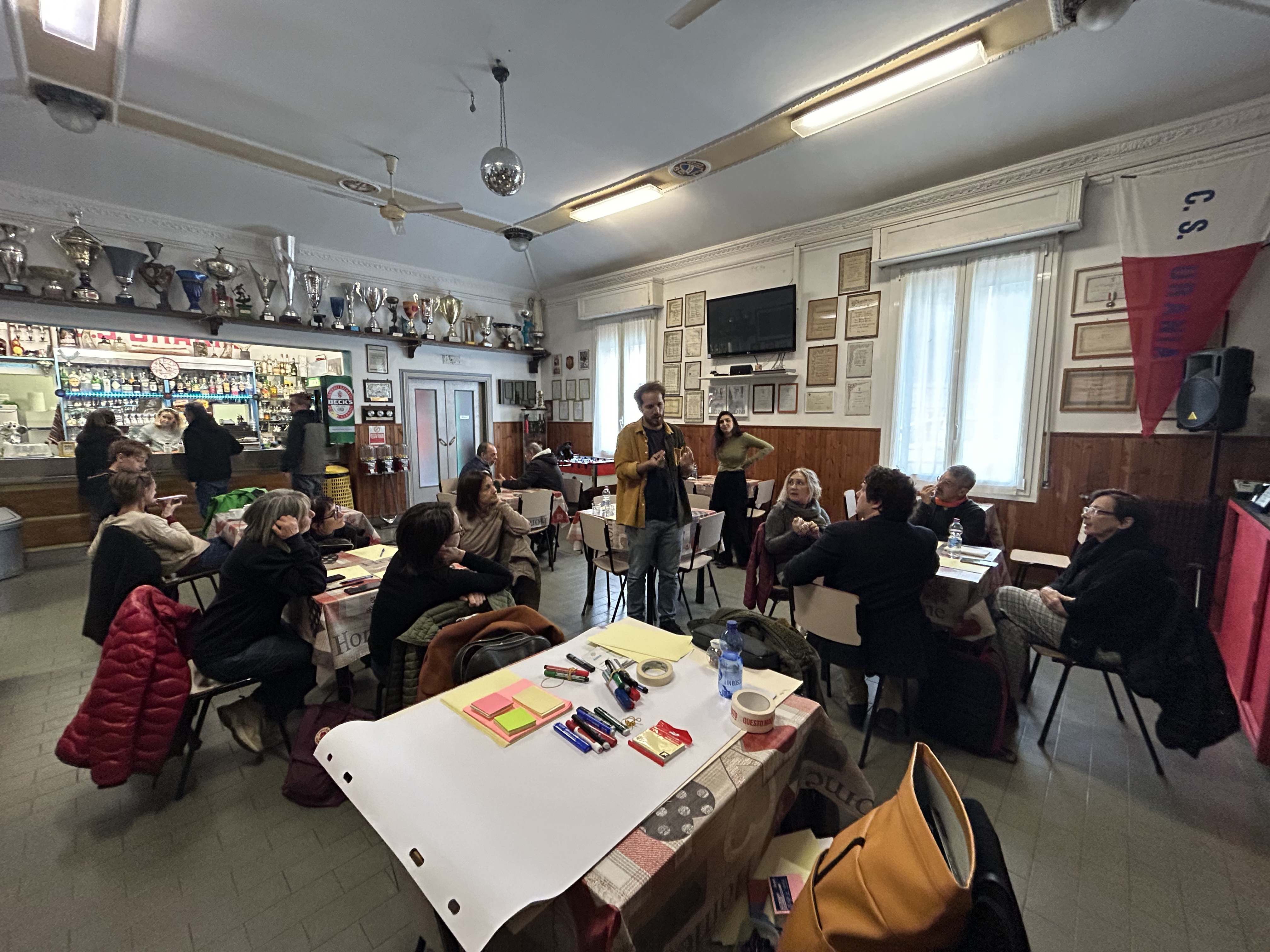
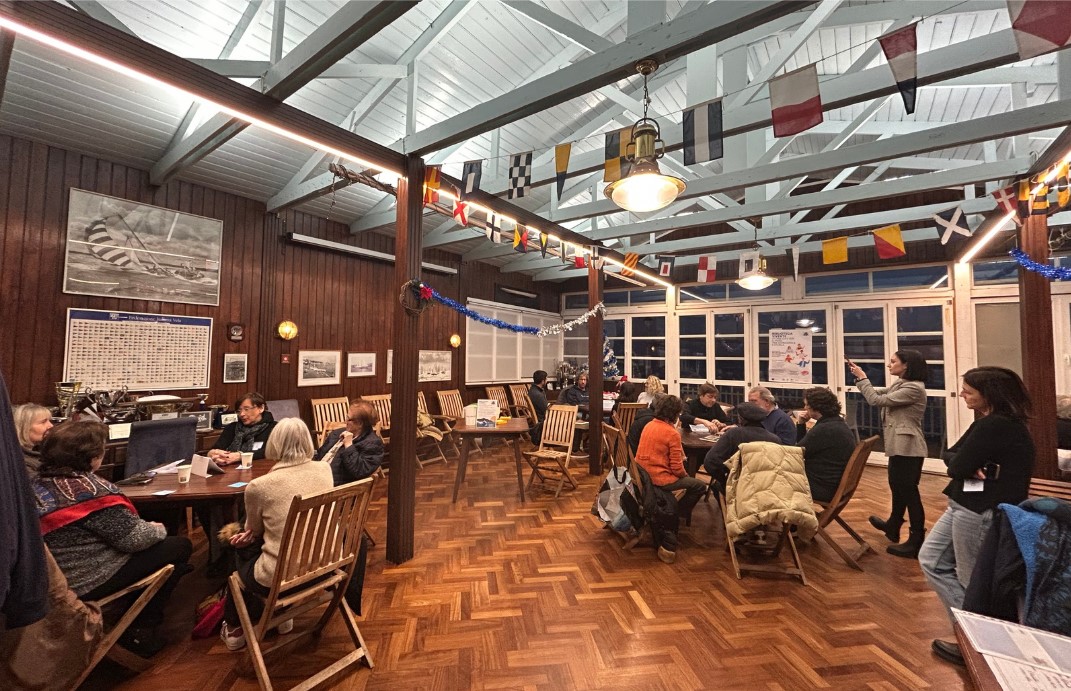
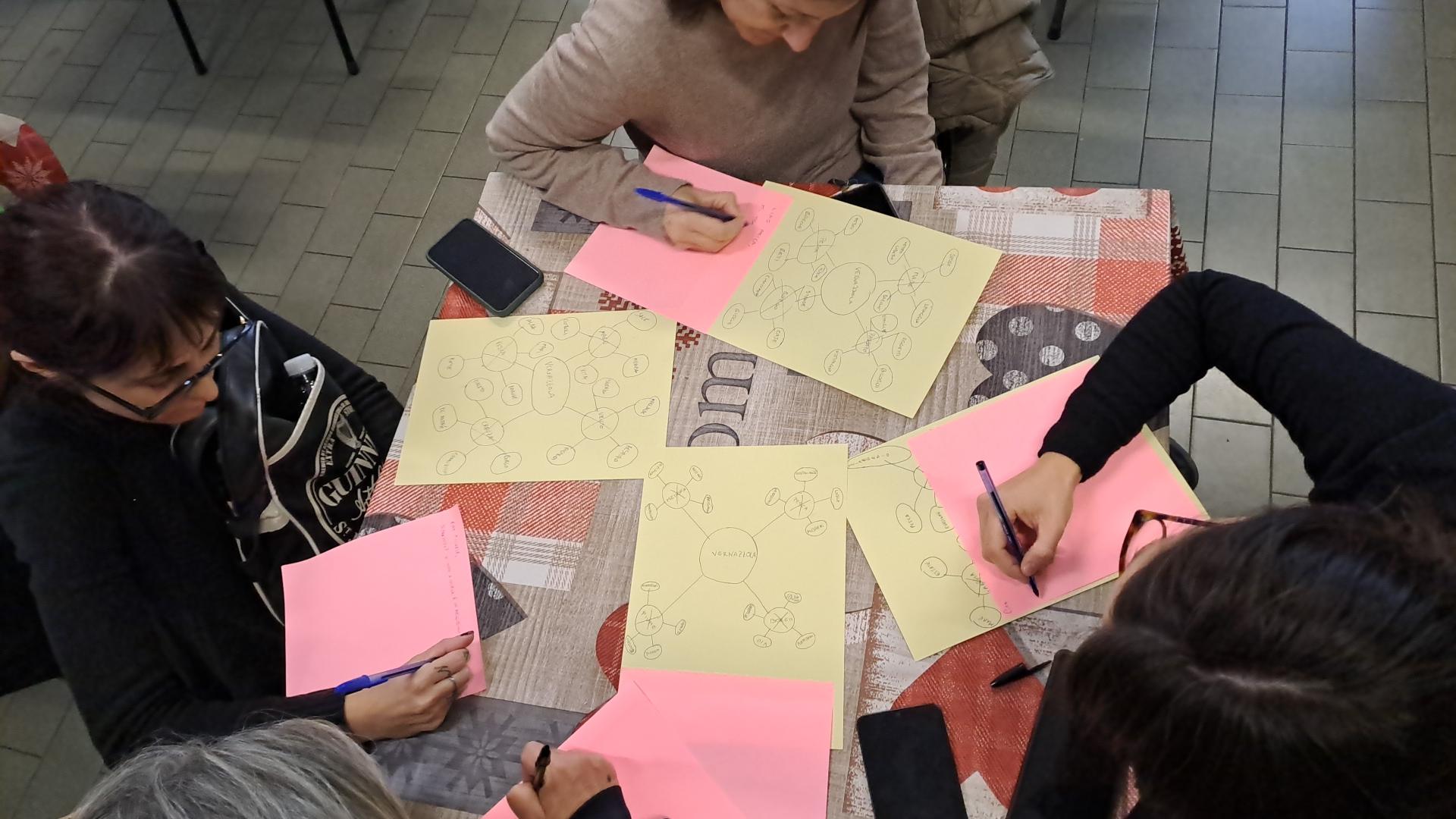
The demonstrator began with listening. A structured participatory process — conducted by Studio Wiki with rigorous ethical procedures and GDPR-compliant consent — gathered stories, memories, and perspectives from local residents, cultural actors, and community groups connected to the Sturla area. The process was designed for genuine inclusivity: intergenerational, open to different levels of digital literacy, and attentive to the voices of those who have long considered this part of the coastline their own.
The collected narratives — combining audio, visual, and textual content — captured everyday practices, memories of the sea, experiences of the local beach, and reflections on how the relationship between the neighbourhood and the coast has changed over time. These stories became the raw material for everything that followed.
Exhibition — Tra il dire e il mare
The public exhibition Tra il dire e il mare ("Between saying and the sea"), held on 21–22 March 2025, brought together approximately 200 visitors from across Genoa and beyond. Combining curated narrative content, audiovisual materials, and immersive digital interaction, the exhibition allowed visitors to encounter the stories of Vernazzola in an experiential, multi-sensory setting — making the area's intangible heritage tangible and accessible in ways that a conventional archive or document never could.
A dedicated event at the Sturla heritage walk in October 2024 and a Human Library event in December 2024 complemented the exhibition, bringing participants into direct contact with local storytellers and encouraging reflection on the connections between place, memory, and the sea.
PAVIS AR — A Digital Demonstrator for Coastal Heritage
The pilot's most technically distinctive output is PAVIS AR, a mobile augmented reality application developed by IIT (Istituto Italiano di Tecnologia). The app enables users to access curated stories through three modes: a list-based interface with text, images, and video; a map-based interface linking stories to specific coastal locations; and an AR mode that displays location-based 3D wireframe objects on-site, activating the associated narrative when a user is physically present at a place.
PAVIS AR was publicly released (version 2.2 lite) for Android devices with AR capability. Its codebase is open source, available at [github.com/IIT-PAVIS/PAVIS-AR-App](https://github.com/IIT-PAVIS/PAVIS-AR-App), and the documented workflow for adapting the tool to new locations makes it directly replicable by other coastal cities wishing to create their own geolocated heritage experience. The Genoa municipality has already expressed interest in deploying a similar participatory process in other parts of the city, and is currently identifying funding to support this.
The Genoa Speaker for the Living has also engaged the local community in ongoing environmental observation — recording sightings of species in the coastal area — with participants reporting an increased sense of connection to and responsibility for the local marine environment.
The Drops
The Inclusive Digital Storytelling drop was built on a simple but powerful idea: that the stories people carry about a place are themselves a form of ecological and cultural knowledge and that making those stories accessible changes how a place is understood and cared for.
The process began with listening. Working with local residents, cultural actors and community groups connected to the Sturla area, the pilot team collected stories, memories and perspectives on the coast – everyday practices, historical knowledge, intergenerational experience and intimate observations of a coastline that many participants had known their whole lives. Interviews were conducted, portraits taken and footage gathered, with informed consent managed carefully and in full compliance with GDPR.
The collected narratives became the foundation for two distinct outputs: a public exhibition and a digital application.
The Ripples
Tra il dire e il mare – an immersive exhibition held in Genoa in March 2025 – brought the collected stories to a public audience through curated audiovisual presentations and interactive formats. Around 200 visitors engaged with the exhibition, encountering the Sturla coast through the voices and memories of the people who know it best.
PAVIS AR is a mobile augmented reality application developed by the Italian Institute of Technology that allows users to access the collected stories through their phones as they walk the coastline. Stories are linked to specific geolocated sites: a stretch of beach, a particular rock, a building that no longer exists. In AR mode, three-dimensional wireframe objects appear at each location, activating the narrative when touched. The application is available on Android and its codebase has been released as open source on GitHub.
What it Leaves Behind
The Genoa pilot leaves behind a documented participatory methodology, a curated archive of community narratives and a live digital tool that can be used and adapted long after the project has ended. The open-source PAVIS AR codebase is designed to be replicable – any city with stories to tell and a coastline to tell them on can adapt the platform for its own context. The City of Genoa is actively seeking funding to extend the Inclusive Digital Storytelling process to other neighbourhoods, with the Sturla pilot serving as the proof of concept.